Masterclass Malay Belly Binding
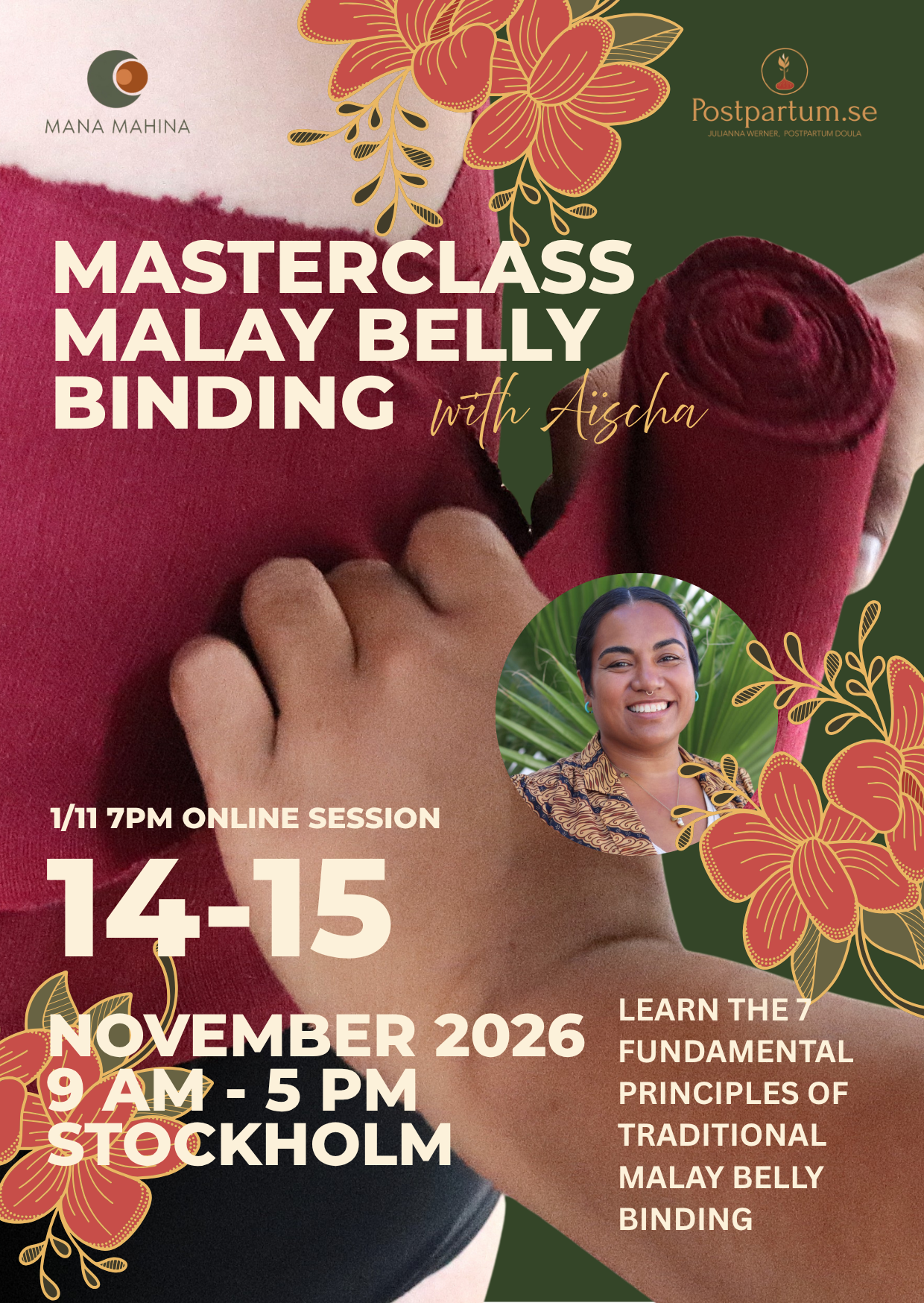
Coming to Stockholm!
In partnership with Postpartum.se
Prerequisite:
Online Introductory Course - November 1st 2026
In-person training:
Stockholm - November 14 & 15 2026
Bengkung Belly Binding A Traditional Postpartum System
Bengkung belly binding has become a trend.
A product. A technique to learn.
But in its original context it was never meant to stand alone.
It is part of a structured traditional postpartum system where the mother is communally held physically, mentally, and emotionally.
The traditional bengkung belly bind embodies the material manifestation of relational matrescence.
This Masterclass invites you back into that cultural understanding.

Online Introductory Course: Learn the 7 Fundamental Principles of Authentic Malay Belly Binding
Masterclass Malay Belly Binding: Immersive in-person training to deepen postpartum care knowledge and practicle skills
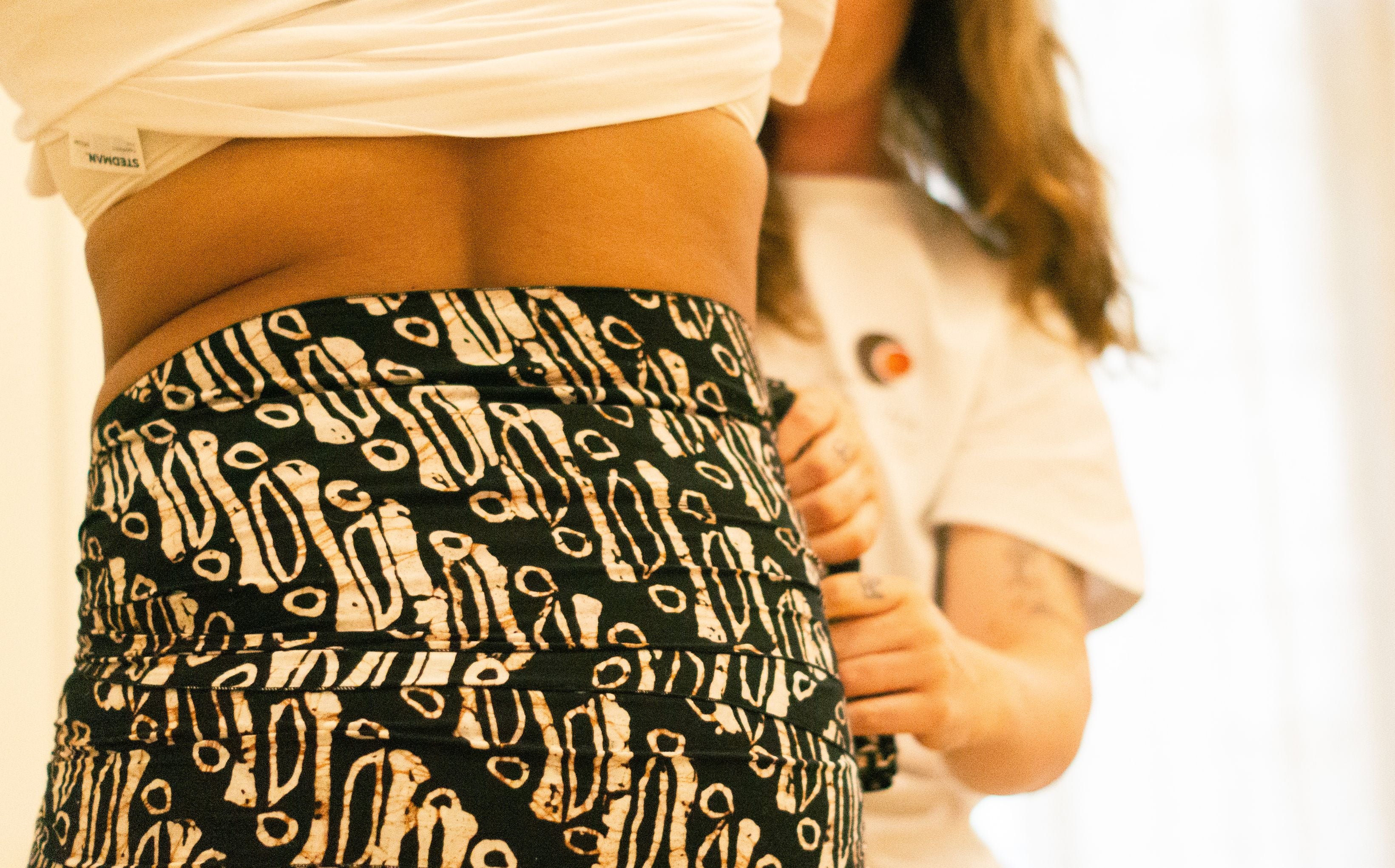
Something has been lost in modern postpartum care
Today, postpartum is often approached as:
something to “bounce back” from
something to manage alone
something solved with information
Bengkung belly binding too, has been reduced to:
one technique
a body-shaping tool
an aesthetic
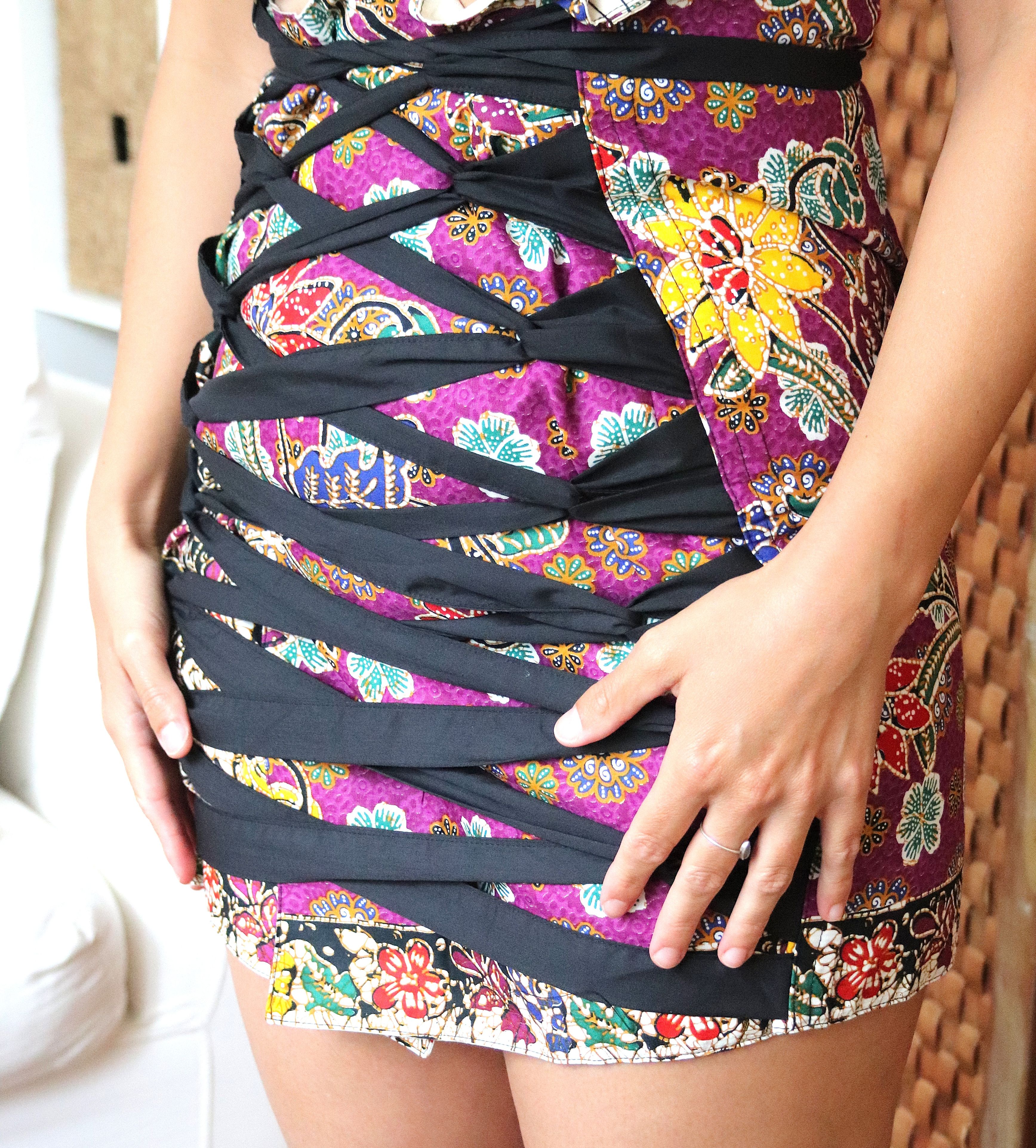
Bengkung was never just a wrap
Bengkung is not tied to a nationality, but originates from the Malay people across the Greater Maritime South East Asia, historically known as Nusantara.
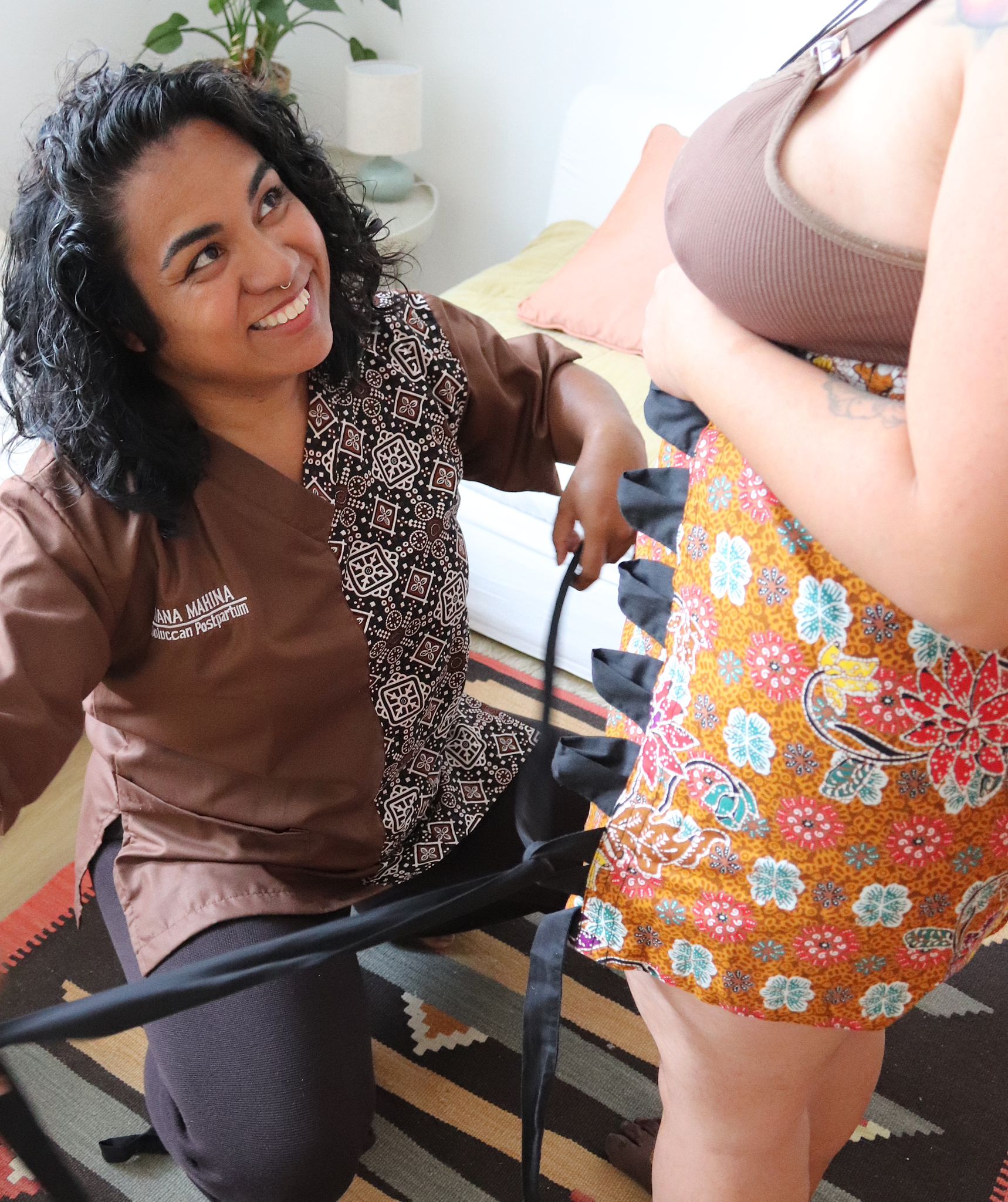
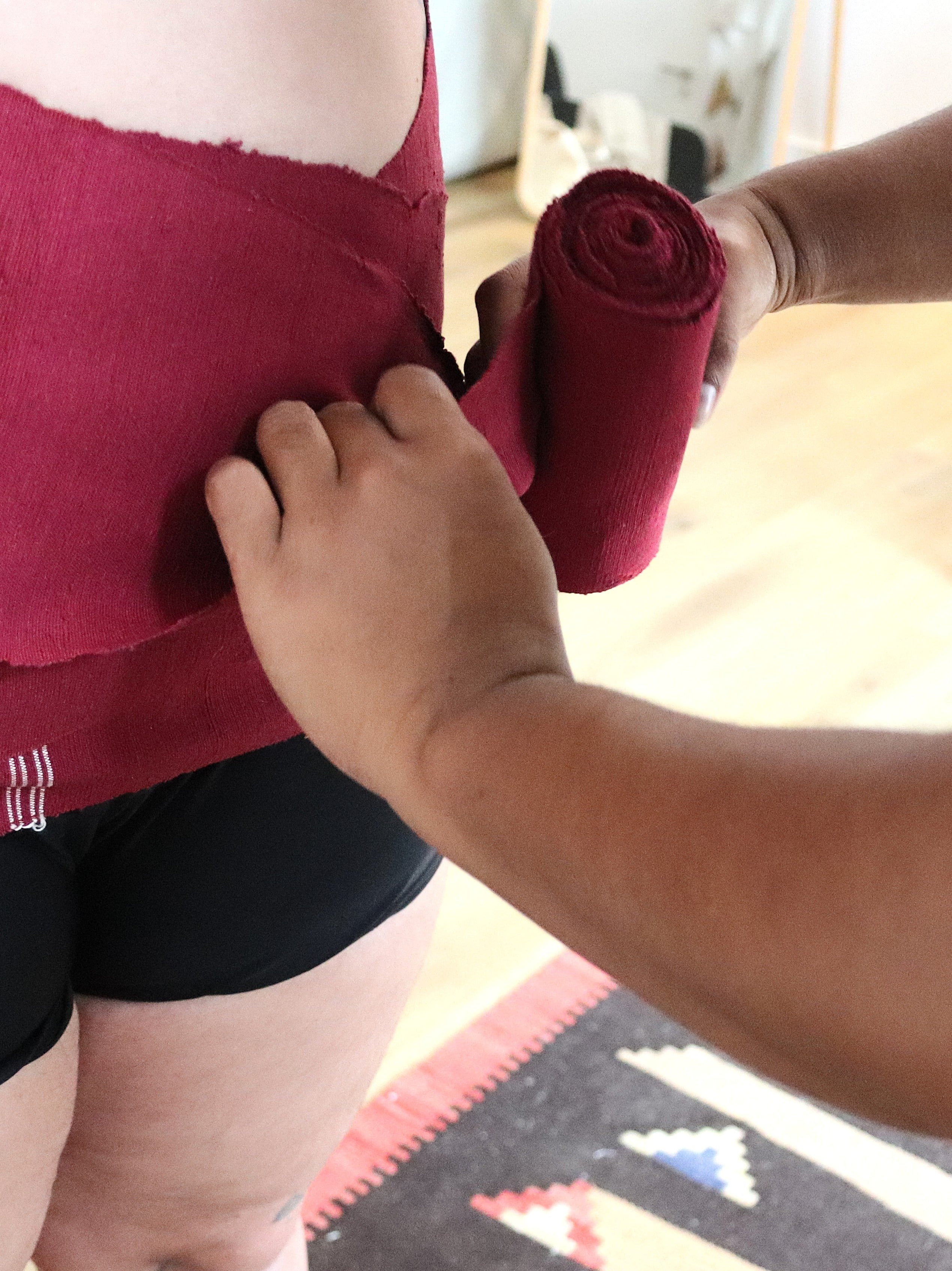
It is a traditional postpartum practice using a cloth,
wrapped from hips to bust.
But more importantly, it is solely one part of a larger system that includes:
structured confinement
traditional massage
plant medicine
heat therapies
food as medicine
community care
closing rituals
It is not a technique.
It is an ecosystem of support.
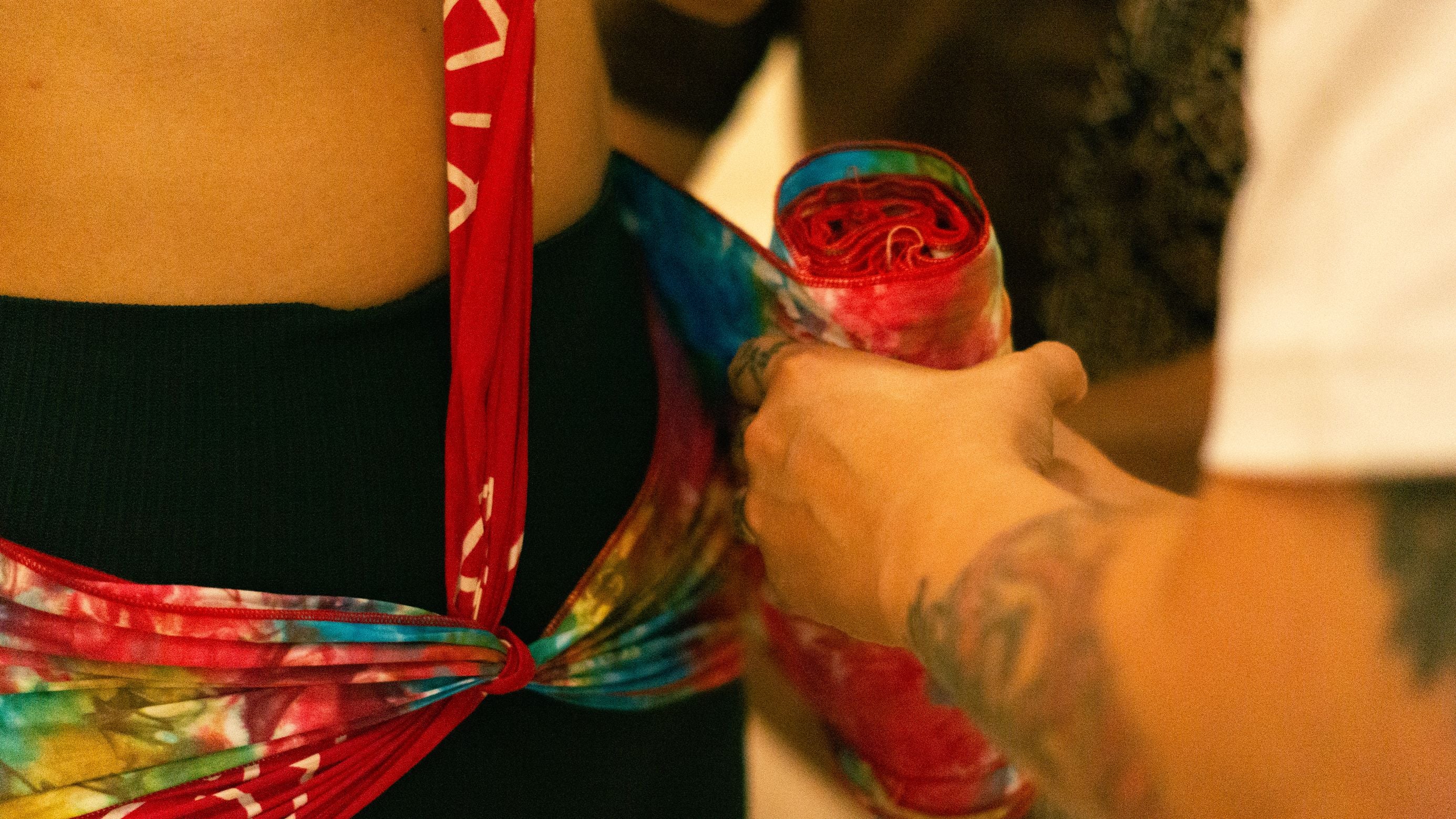
Important note:
Because belly binding is a deeply hands-on and body-based skill, this Masterclass is intentionally offered in person.
Subtle aspects such as tension, positioning, touch, pressure, body reading, and practitioner ergonomics require direct guidance, observation, and embodied practice that cannot be fully transmitted online.
The in-person setting also allows for immediate feedback, safer learning, and deeper integration of the work.
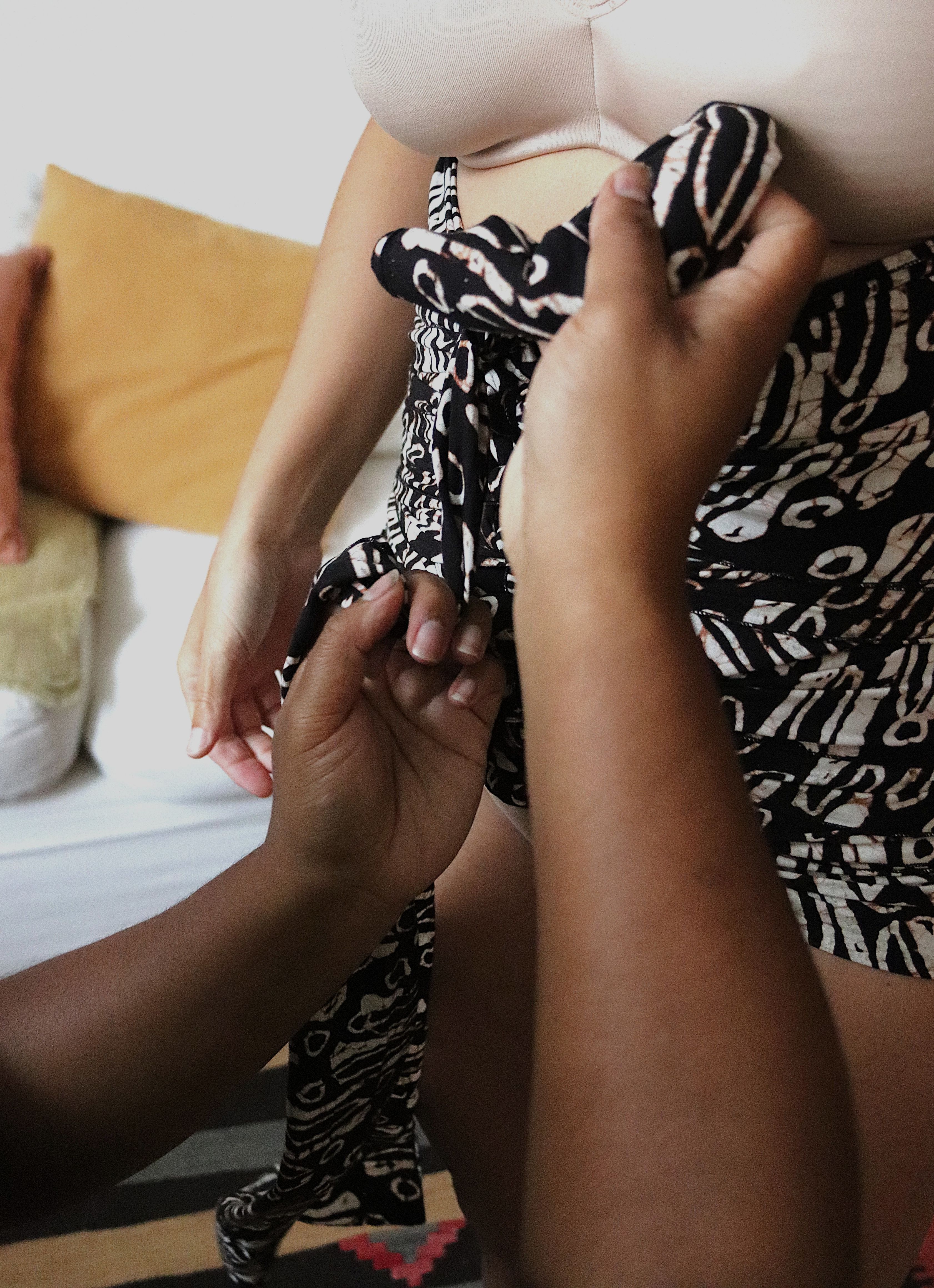
What you will learn during the Online session
The cultural origins of bengkung in the Malay world
The postpartum body through both scientific and traditional perspectives
The role of confinement, warmth, and structured care
The differences between bengkung and other wrapping methods
The different variations and types of bengkung
The 7 foundational principles of postpartum support
The importance of land, lineage, and ethical practice
What you will learn during the Masterclass
The deeper role of belly binding
Postpartum anatomy
Belly massage basics
Cloths, wraps, tension & technique
Herbal mask applications
Belly binding for different bodies & births
Hands-on practical application
Ritual, presence & postpartum care
Integrating belly binding into your work
This space is for you if:
You feel something is missing in modern postpartum care
You want depth, not surface-level wellness
You are a parent, or preparing to become one
You want to support a new mother in your community
You are a birth worker seeking cultural understanding
You value integrity, context, and relationship
This is not for you if:
You are looking for a quick technique or tutorial
You want another certification
You want to replicate practices without context
You are not open to receiving cultural perspective, ancestral lineage and generational lived experience
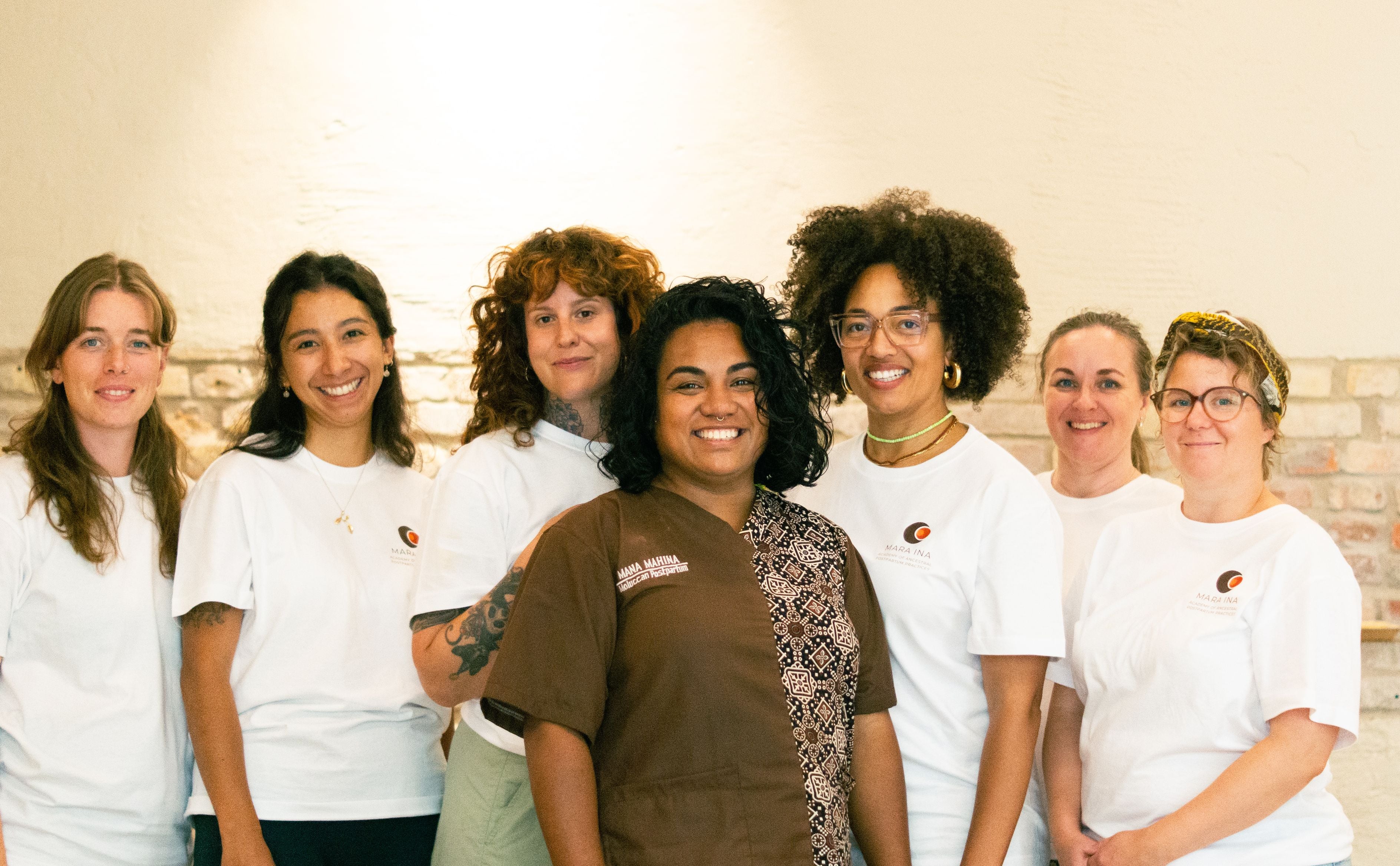
Malmö cohort July 2026
Tuition
This training includes:
• Virtual Fundamental Principles of Bengkung Belly Binding course
• 2-day in-person Masterclass Malay Belly Binding
• Belly massage basics and herbal mask
• Hands-on practical guidance
• Oil and ingrediënts for the herbal applications
• Printed training manual
• Cohort specific t-shirt
• Goodiebag
• Lunch, tea & nourishing snacks
• Certificate of attendance
• 6 Credited hours toward the Urut Isiwa Postpartum Practitioner immersive training
Prerequisite:
Attendance at the Online Fundamental Principles of Bengkung Belly Binding course.
Tuition fee: 6875SEK (incl. VAT)
Payment plans available upon request.
In case you're wondering..
No.
While this work is rooted in postpartum care, it is also relevant for:
expecting parents
birth partners
community supporters
birth workers
doula's
midwives
OBGYN's
caregivers
massage therapists
yoga practitioners
people interested in womb-centered care
Yes.
In many traditional cultures, postpartum preparation begins before birth.
Understanding what your body will need and what support actually looks like, allows you to prepare in a more grounded and supported way.
Yes.
This training is open to people outside of this cultural background when approached with respect, humility, and integrity.
These practices are shared through relationship, responsibility, and embodied learning. Not extraction or trend-based consumption. Participants are asked to honor the cultural roots of the work, acknowledge the lineage and teachers through which it was received, and practice ethically.
Participants agree not to falsely claim lineage, misuse sacred practices, or teach without lineage to the culture, permission and certification.
The intention of this training is not cultural ownership, but cultural respect, preservation, and responsible transmission.
Yes. Urut Isiwa comes through Urut Isiwa Academy and tante Lien Siwalette from my Moluccan heritage, and passing on this knowledge comes with responsibility. Honouring where these practices come from is part of how I teach.
That's why 10% of every course fee is set aside as a lineage contribution, which goes back to my teachers in Maluku and to the work of keeping this cultural heritage intact.
Yes. When you register, you can choose to add a contribution of your own. It goes towards preserving postpartum traditions in Maluku.
This is completely optional.
Yes, for the Moluccan community in diaspora.
Our ancestors were forbidden to practise these traditions. To help restore and reclaim them, I offer a community rate for Moluccan people living in diaspora.
Please mention it in the message box if this applies to you.
You will have direct access to the replay of the course , so you can return to it at your own pace. The course material is downloadable and you will receive a printed training manual.
Yes! I want this training to be accessible, so you can pay the full amount upfront or split it into 3 monthly payments. Your place is secured once the first payment is made. If you need a different arrangement, just send me a message and we'll find something that works.
Due to the digital nature of the course and international arrangements and planning of the masterclass, purchases are non-refundable.
If you’re unsure, take your time to feel into whether this space is right for you.
Apply here!
Before you commit to the course, we would like you to slow down and answer a couple of questions for us to get to know you, and for you to intentionally step into this space.
After submitting, you will receive an email to purchase the course.
Thank you for wanting to support postpartum families with practices rooted in indigenous traditions.
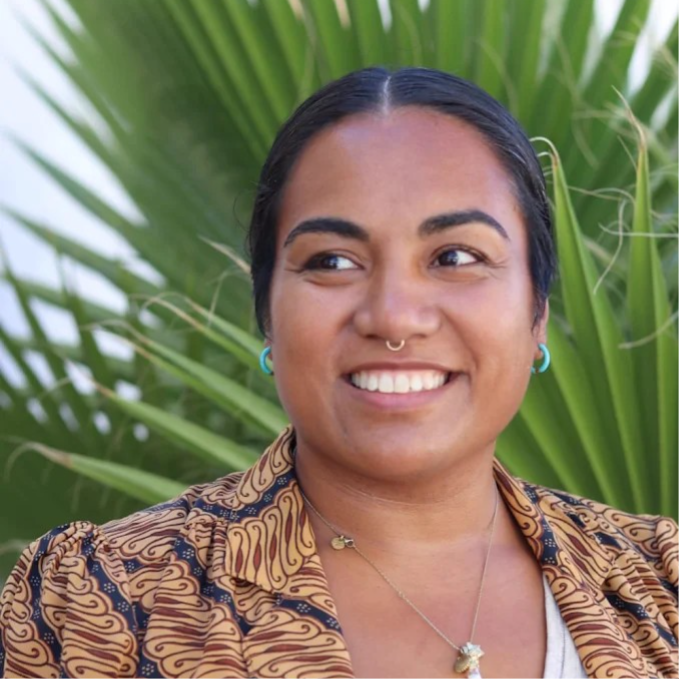
About your instructor
Aïscha carries her lineage with deep reverence.
Through her maternal line she is a decendant of the Ama Rima Hatuhaha, an indigenous tribe from the island of Haruku in the Maluku Islands - East Indonesia. Her paternal roots weave together both Moluccan and Javanese heritage, grounding her work in a rich tapestry of Malay ancestral wisdom.
She is a mom of two, postpartum doula and traditional practitioner under Mana Mahina Postpartum, as well as founder and owner of Mara Ina — Academy of Ancestral Postpartum Practices.
Ceremonially and traditionally initiated by her elders, Aïscha holds the role of Guardian of Moluccan Postpartum Traditions, carrying forward sacred knowledge with integrity and devotion.
Her work is both intuitive and deeply trained. She is a certified doula, Urut Isiwa Postpartum Care Practitioner and Teacher, trauma-informed perinatal coach, and voice release practitioner.
She holds women through the threshold of postpartum in the first tender weeks, and also in the quiet years after birth when so much still asks to be integrated.
© 2026 Mana Mahina, All rights reserved.